Sewer Line Cleaning in Mesa, AZ
When a sewer line starts to clog, it rarely stays quiet about it. Toilets gurgle when the washing machine drains, water backs up into a bathtub or shower, or multiple fixtures throughout the house slow down at the same time. A backed-up sewer main is one of the more disruptive plumbing problems a home can have, since it affects nearly every drain connected to it, not just one fixture.
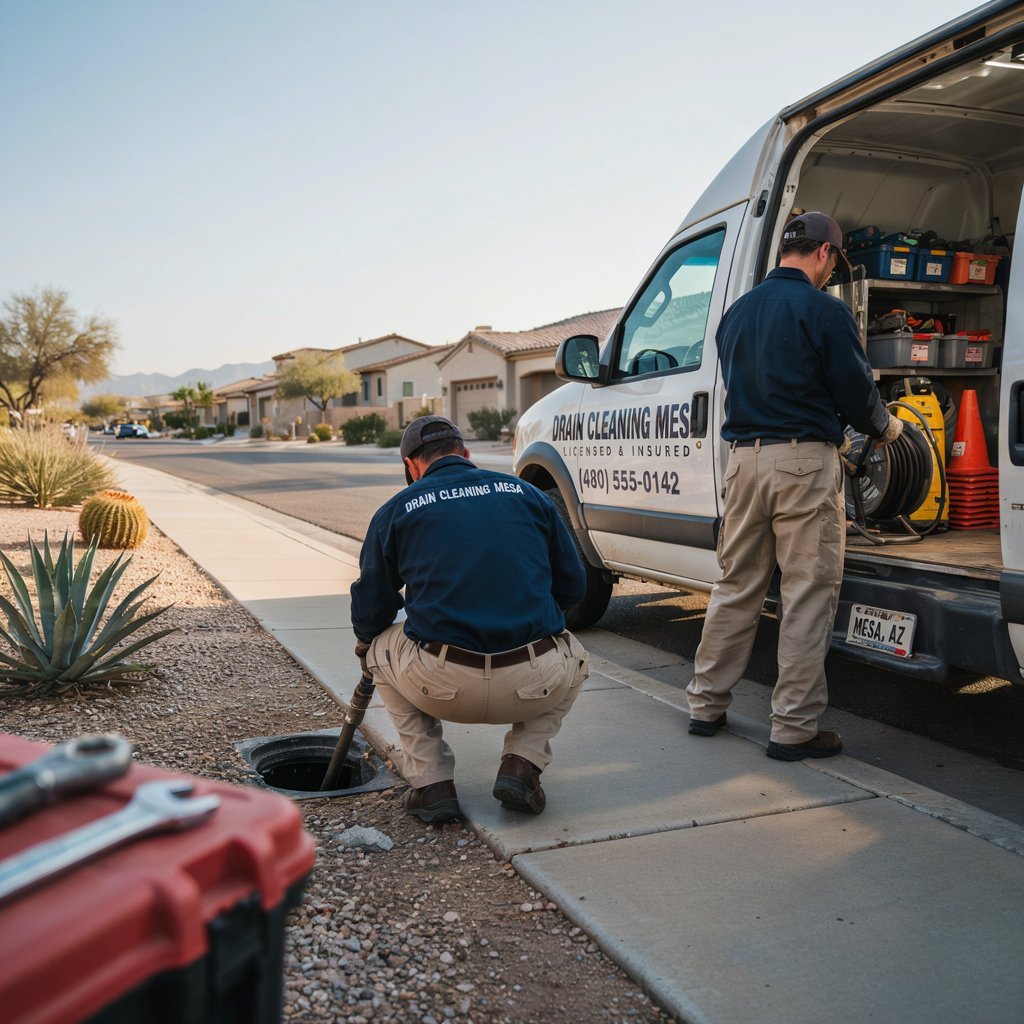
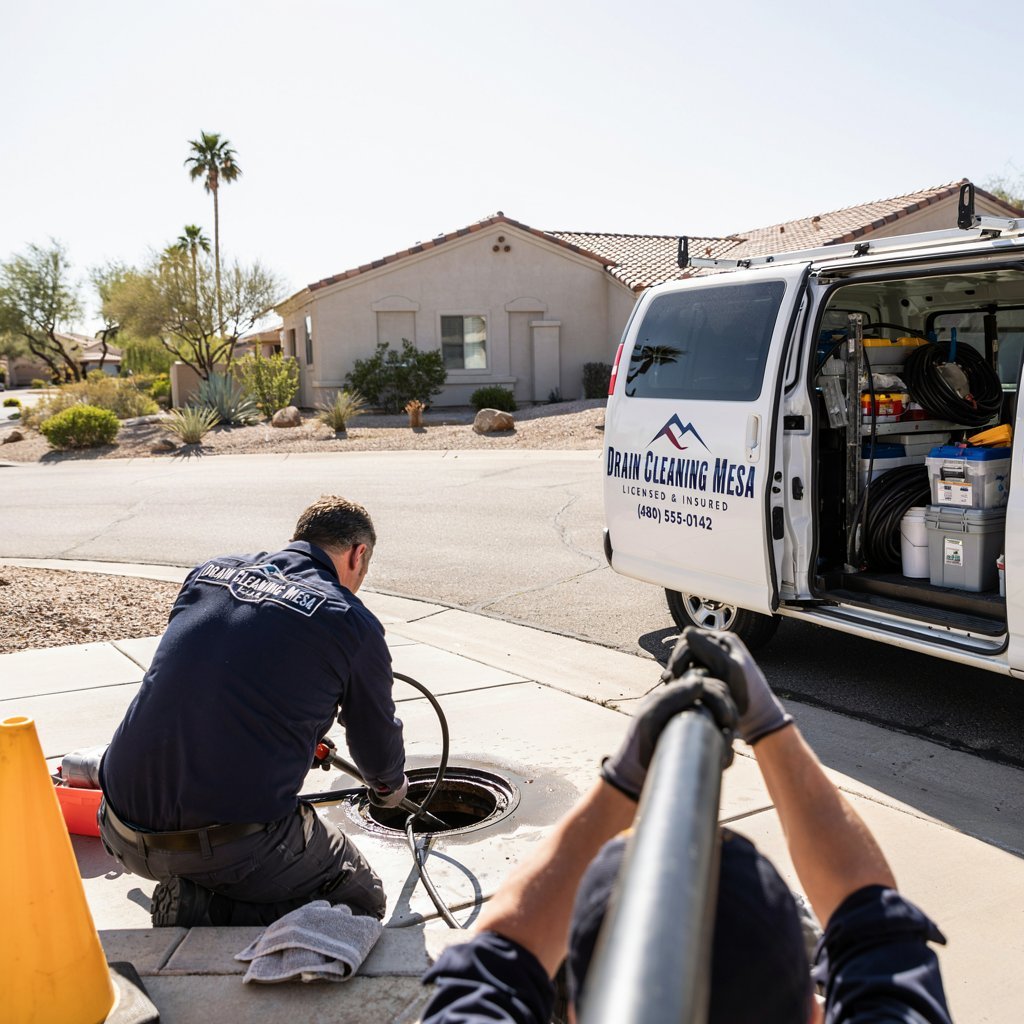
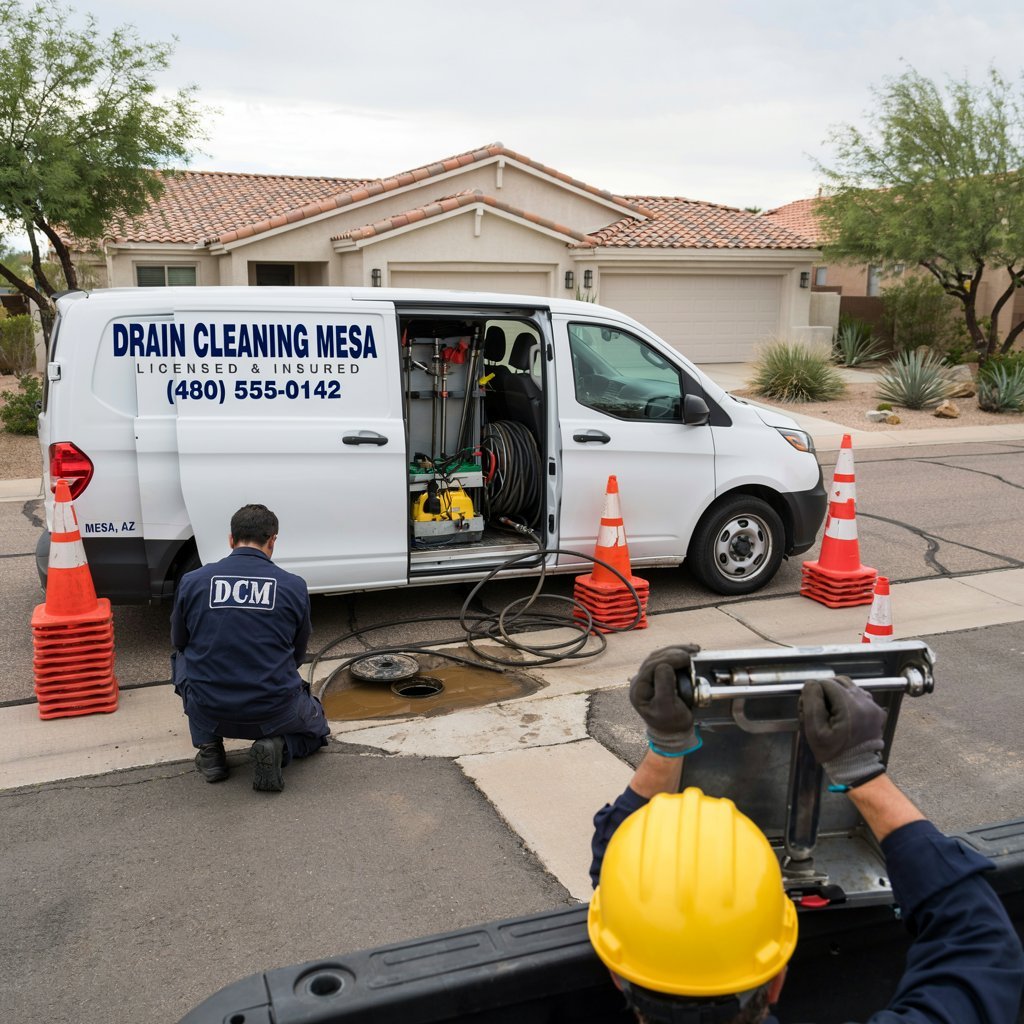
Drain Cleaning Mesa clears sewer lines using equipment matched to the actual cause of the blockage, whether that’s grease and paper buildup, tree root intrusion, or years of scale lining the inside of an older pipe. We diagnose the problem first, often with a camera inspection, so the cleaning method fits the pipe and the cause rather than just forcing an opening through it.
Signs Your Sewer Line Needs Cleaning
A few warning signs point specifically to the main sewer line rather than an isolated fixture clog. Multiple drains slowing down or backing up at the same time, gurgling sounds from toilets or floor drains, sewage odor near a cleanout or the lowest drain in the house, and water backing up into a tub or shower when a toilet flushes all suggest the blockage sits in the main line rather than a single branch.
The lowest fixture in the house, usually a basement floor drain or a ground-floor shower, is often the first to show symptoms because it’s the path of least resistance for water that has nowhere else to go. If you’ve noticed backups specifically in the lowest drain of the house, that’s a strong indicator the sewer main itself needs attention.
What Causes Sewer Line Clogs in Mesa Homes
Tree Root Intrusion
Tree roots seek out the moisture inside sewer pipes and can work their way in through small cracks, loose joints, or aging pipe material. Once inside, roots grow and branch out, gradually catching paper, wipes, and debris until the line backs up. This is especially common in Mesa’s older, established neighborhoods with mature trees near the sewer line’s path.
Grease and Debris Buildup
Grease poured down kitchen drains doesn’t disappear once it clears the sink. It cools and hardens along pipe walls further down the line, gradually narrowing the pipe’s interior diameter until it catches paper and debris and forms a full blockage.
Aging Pipe Materials
Many homes near Downtown Mesa and Main Street still have original clay or cast-iron sewer lines. These materials are more prone to cracking, joint separation, and interior corrosion over time, all of which create rough surfaces where debris collects and roots can enter.
Pipe Bellies and Structural Issues
A “belly” is a low spot in the pipe where the line has settled or shifted, creating a dip that collects standing water and solids instead of letting them flow through. Bellied sections tend to clog repeatedly because the physical shape of the pipe, not just debris, is causing the backup.
Our Sewer Line Cleaning Process
Step 1 — Locate the Blockage
We start by identifying where the sewer line clog is likely located based on which fixtures are affected and how the symptoms present.
Step 2 — Camera Inspection
A drain camera confirms what’s actually causing the blockage, whether it’s roots, grease, scale, or a structural issue like a belly or offset joint, and shows us exactly where it sits in the line.
Step 3 — Select the Right Method
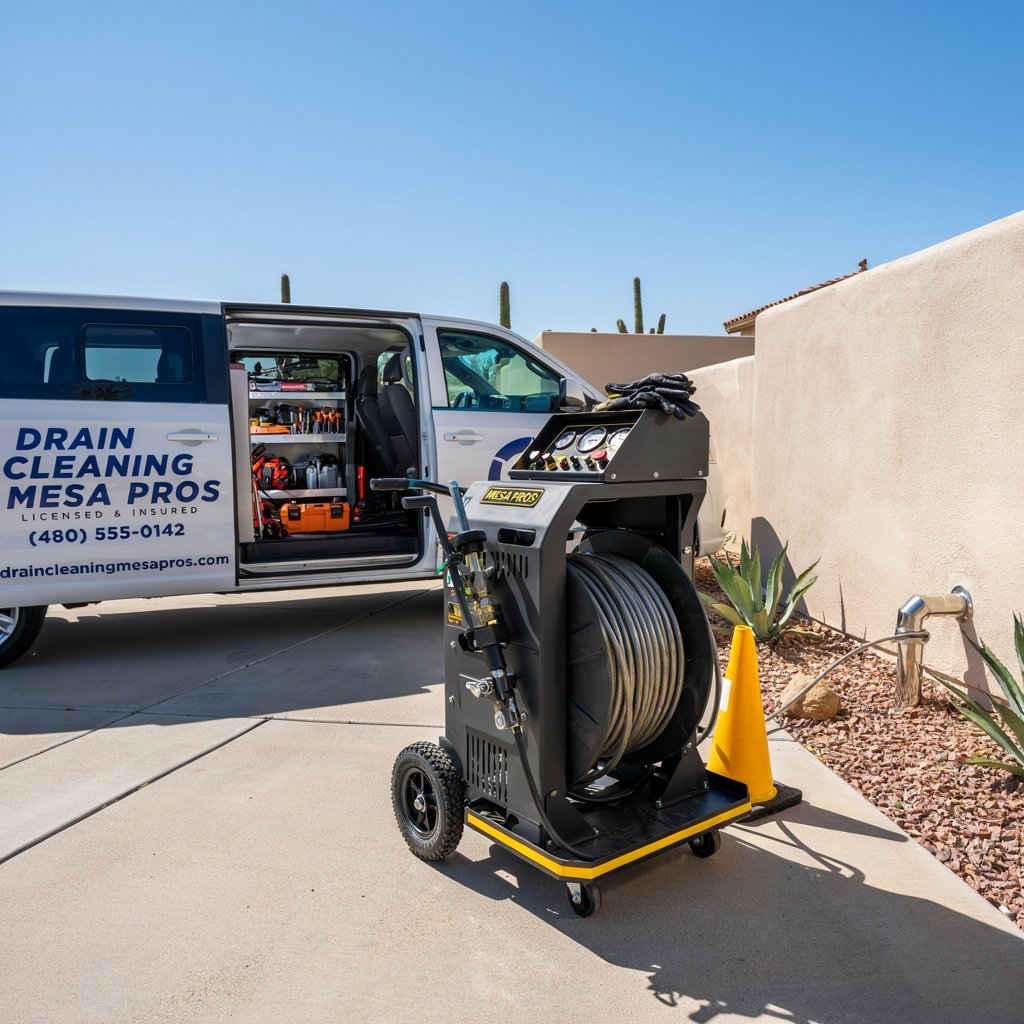
Based on what the camera shows, we recommend cabling for straightforward blockages or hydro jetting for grease-heavy lines and root intrusion that needs a full interior clean, not just a cleared path.
Step 4 — Clear the Line
We run the appropriate equipment through the full length of the affected section, clearing the blockage and, where needed, cutting through root intrusion.
Step 5 — Confirm and Explain
We run water through the system to confirm normal flow and walk you through what caused the clog, whether a repair may eventually be needed, and how to reduce the chance of it recurring.
Customer Testimonials
Cleaning vs. Repair: Knowing the Difference
Sewer line cleaning removes what’s blocking the pipe. It does not fix a structural problem like a collapsed section, a significant belly, or a pipe that has separated at a joint. If a camera inspection reveals damage rather than just a blockage, we’ll explain the difference clearly and outline repair options, including trenchless methods where applicable, rather than repeatedly cleaning a line that will keep backing up until the underlying issue is addressed.
Cost of Sewer Line Cleaning in Mesa
Sewer line cleaning cost depends on the length of the line, how far the blockage sits from an accessible cleanout, and whether cabling or hydro jetting is required. Lines with heavy root intrusion or significant grease buildup typically require jetting, which takes longer and uses different equipment than a standard cabling job. We provide a firm price after inspecting the line, before any cleaning begins.
Why Mesa Homeowners Trust Us With Sewer Line Work
Sewer line issues are one of the few plumbing problems that affect an entire household at once, which is why we prioritize diagnosing the real cause before recommending a fix. Our familiarity with the mix of clay, cast-iron, and PVC sewer lines common throughout Mesa means we know how each material responds to cabling and jetting, helping us clear the line without causing additional damage to older, more fragile pipe.
Frequently Asked Questions
How do I know if my sewer line is clogged?
Multiple drains backing up at the same time, gurgling toilets, sewage odor near a cleanout, and water surfacing in the lowest drain of the house are the main signs of a sewer line clog rather than an isolated fixture issue.
Can tree roots really block a sewer line?
Yes. Tree roots are drawn to the moisture inside sewer pipes and can enter through small cracks or loose joints, gradually growing large enough to trap debris and cause a full backup. This is one of the most common causes of sewer line clogs in older Mesa neighborhoods.
Is hydro jetting better than cabling for sewer lines?
Hydro jetting cleans the entire interior wall of the pipe using high-pressure water, while cabling primarily cuts a path through the blockage. Jetting is typically better for grease-heavy lines and recurring root intrusion, while cabling can be sufficient for a straightforward, isolated clog.
How often should a sewer line be cleaned?
This depends on the home’s plumbing age, nearby tree roots, and past clog history. Homes with older clay or cast-iron lines or a documented history of root intrusion often benefit from cleaning every one to two years, while newer PVC systems with no history of backups may need it far less frequently.
Can a sewer line clog fix itself?
No. A sewer line clog will not clear on its own and typically worsens over time as more debris, grease, or root growth accumulates. Left unaddressed, a partial blockage can progress to a full backup affecting every drain in the house.
Do you inspect the sewer line before cleaning it?
Yes. We use a drain camera to confirm the cause and location of the blockage before recommending a cleaning method, so the approach matches the actual problem rather than guessing.