Sand Trap Cleaning in Mesa, AZ
A full sand trap can cause slow drainage, standing water, foul odors, and backups in wash bays, garages, auto shops, equipment yards, and commercial floor drains. Sand traps collect grit, soil, sediment, oil residue, and heavy debris before it enters the main drainage system.
Check out our full service lineup — Drain Cleaning Mesa provides sand trap cleaning for car washes, automotive shops, fleet facilities, warehouses, industrial properties, and other commercial sites. We remove settled material, clean accessible components, and check the connected inlet and outlet lines for restricted flow.
Signs Your Sand Trap Needs Cleaning
Common signs include water draining slowly from wash areas, sediment visible near floor drains, strong odors, overflow around the trap cover, and standing water after equipment or vehicle cleaning.
You may also notice that the trap fills faster than usual or that several nearby drains begin slowing at the same time.
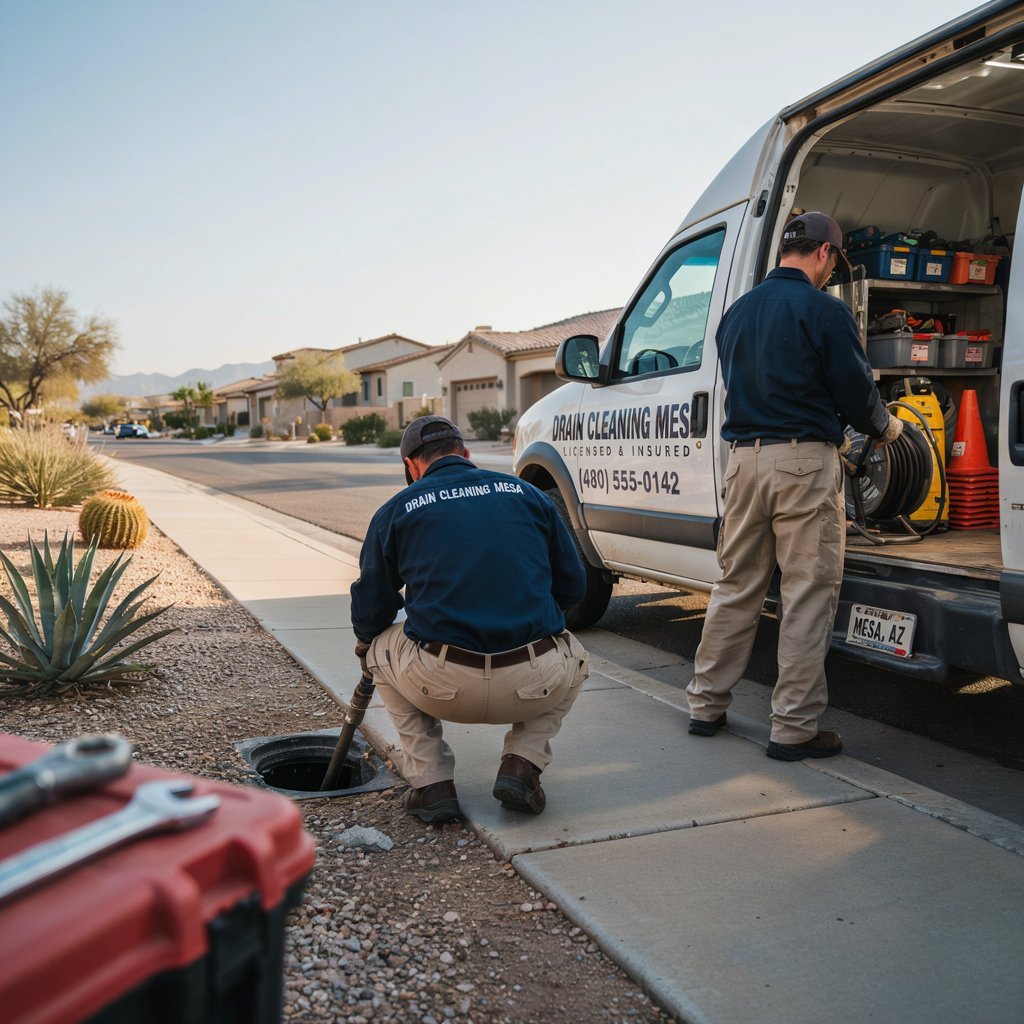
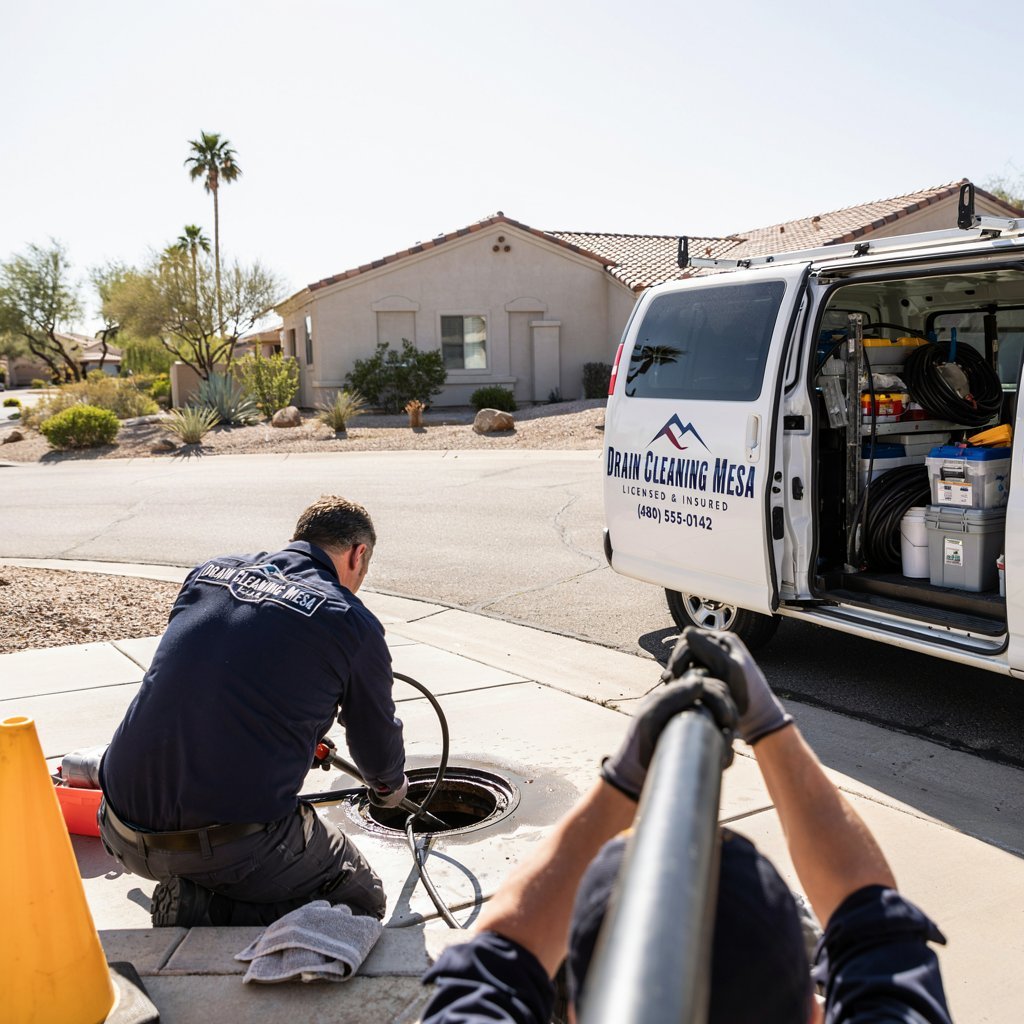
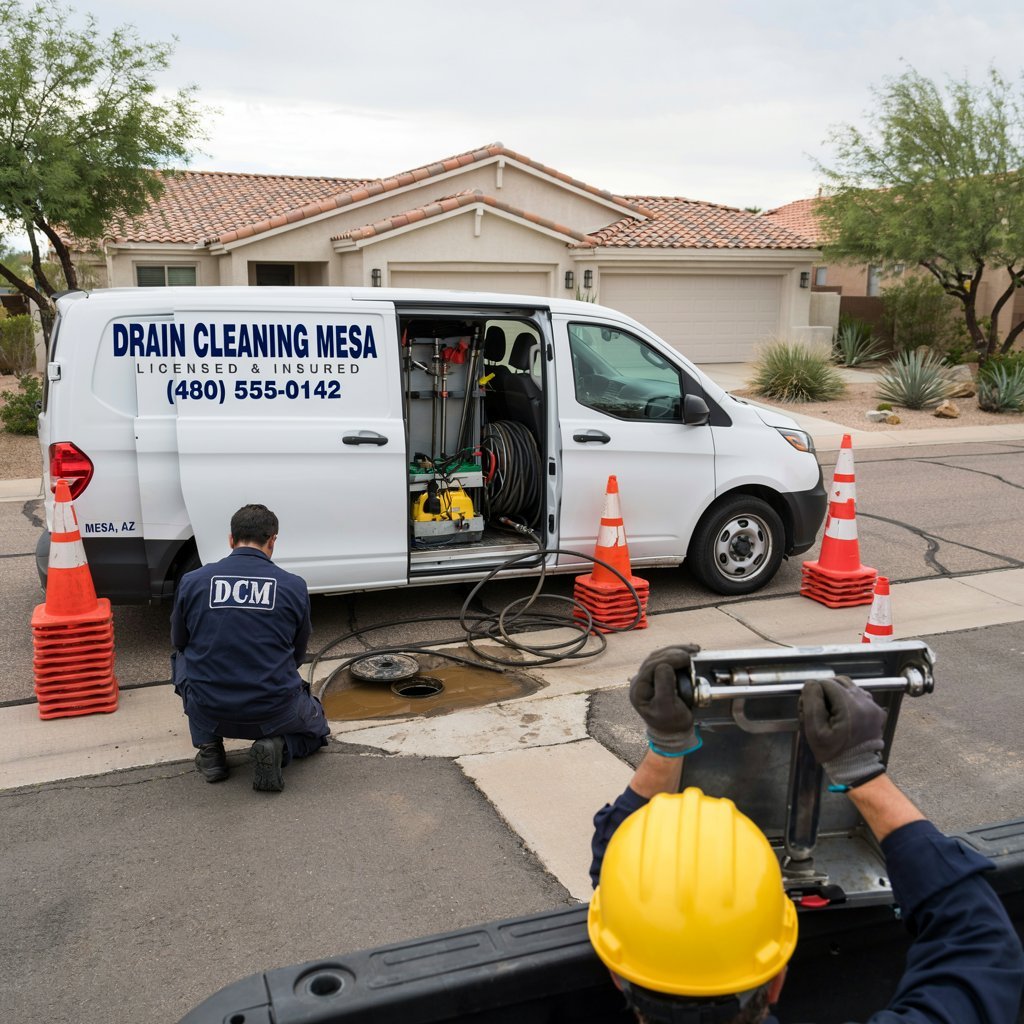
What Causes Sand Trap Problems in Mesa Businesses
Sand, Dirt, and Road Grit
Vehicles, equipment, and work boots carry in sand, dust, gravel, and soil. Mesa’s dry conditions can create heavy sediment buildup in busy wash areas.
Oil and Grease Residue
Automotive fluids, grease, soap, and oily wastewater can mix with sediment and form dense sludge inside the trap.
Delayed Cleaning
When a sand trap is not serviced regularly, heavy solids can block the outlet or move into connected drain lines.
High-Volume Facility Use
Car washes, repair shops, fleet yards, and industrial properties near Falcon Field, Broadway Road, and the Fiesta District may fill traps quickly during busy periods.
Our Sand Trap Cleaning Process
Step 1 — Inspect the Trap
We check the access cover, sediment level, wastewater depth, drainage speed, and signs of overflow or damage.
Step 2 — Remove Water and Debris
Standing wastewater, sand, grit, sludge, and other settled material are removed from the trap.
Step 3 — Clean the Interior
Accessible walls, baffles, and internal surfaces are cleaned to remove remaining buildup.
Step 4 — Check Inlet and Outlet Flow
The connected drain openings are inspected for sediment, grease, or blockages that may restrict water movement.
Step 5 — Recommend a Cleaning Schedule
We explain the trap’s condition and suggest a service frequency based on facility use and the amount of sediment produced.
Customer Testimonials
Sand Trap vs. Grease Trap: Knowing the Difference
A sand trap is designed to capture heavy solids such as sand, gravel, grit, and sludge. A grease trap or interceptor separates fats, oils, and grease from kitchen wastewater.
Some automotive and industrial systems may collect both sediment and oily residue, so the trap and connected drains should be inspected together.
Cost of Sand Trap Cleaning in Mesa
The cost depends on trap size, sediment depth, accessibility, waste volume, and the condition of the connected drain lines.
A regularly maintained trap is usually easier to service than one filled with hardened sludge or a blocked outlet. Pricing is provided before work begins.
Why Mesa Businesses Trust Our Sand Trap Cleaning
Routine cleaning helps reduce wash-bay flooding, drain backups, odors, and sediment entering downstream pipes. It also helps facilities keep work areas safer and easier to maintain.
We serve commercial properties throughout Mesa, including Falcon Field, Fiesta District, Eastmark, Mesa Riverview, Superstition Springs, Downtown Mesa, and areas near Broadway Road, Greenfield Road, and Country Club Drive.
Services We Provide
Residential
✅Clogged Drain Repair
✅Drain Snaking
✅Hydro Jetting
✅Video Camera Drain Inspection
✅Sewer Line Cleaning
✅Bathroom Drain Cleaning
✅Kitchen Drain Cleaning
✅Toilet Drain Cleaning
✅Laundry Drain Cleaning
✅Basement Drain Cleaning
✅Roof Drain Cleaning
✅Downspout Drain Cleaning
✅Preventative Drain Maintenance
✅Drain Odor Diagnosis and Removal
✅Slow Drain Diagnosis and Repair
✅Vent Stack Cleaning
✅Water Leak Detection
✅Main Line Cleaning
✅Floor Drain Cleaning
Frequently Asked Questions
How often should a sand trap be cleaned?
The schedule depends on trap size, facility use, and the amount of sediment entering the system. Busy wash bays may need more frequent service.
What happens when a sand trap is full?
Drains may slow down, standing water may develop, odors can increase, and sediment may enter connected pipes.
Can oil collect in a sand trap?
Yes. Automotive fluids, grease, and oily wastewater may mix with sand and form heavy sludge.
Why is water backing up in my wash bay?
The trap may be full, the outlet may be blocked, or the connected drain line may contain heavy sediment.
Do you clean sand traps at car washes?
Yes. Service is available for car washes, auto shops, fleet yards, warehouses, equipment facilities, and industrial properties.
Can sand clog the main drain line?
Yes. When the trap is overloaded, grit and sediment can pass into downstream pipes and create difficult blockages.